Willpower Is Not Enough

When it comes to social media - humans overestimate their willpower
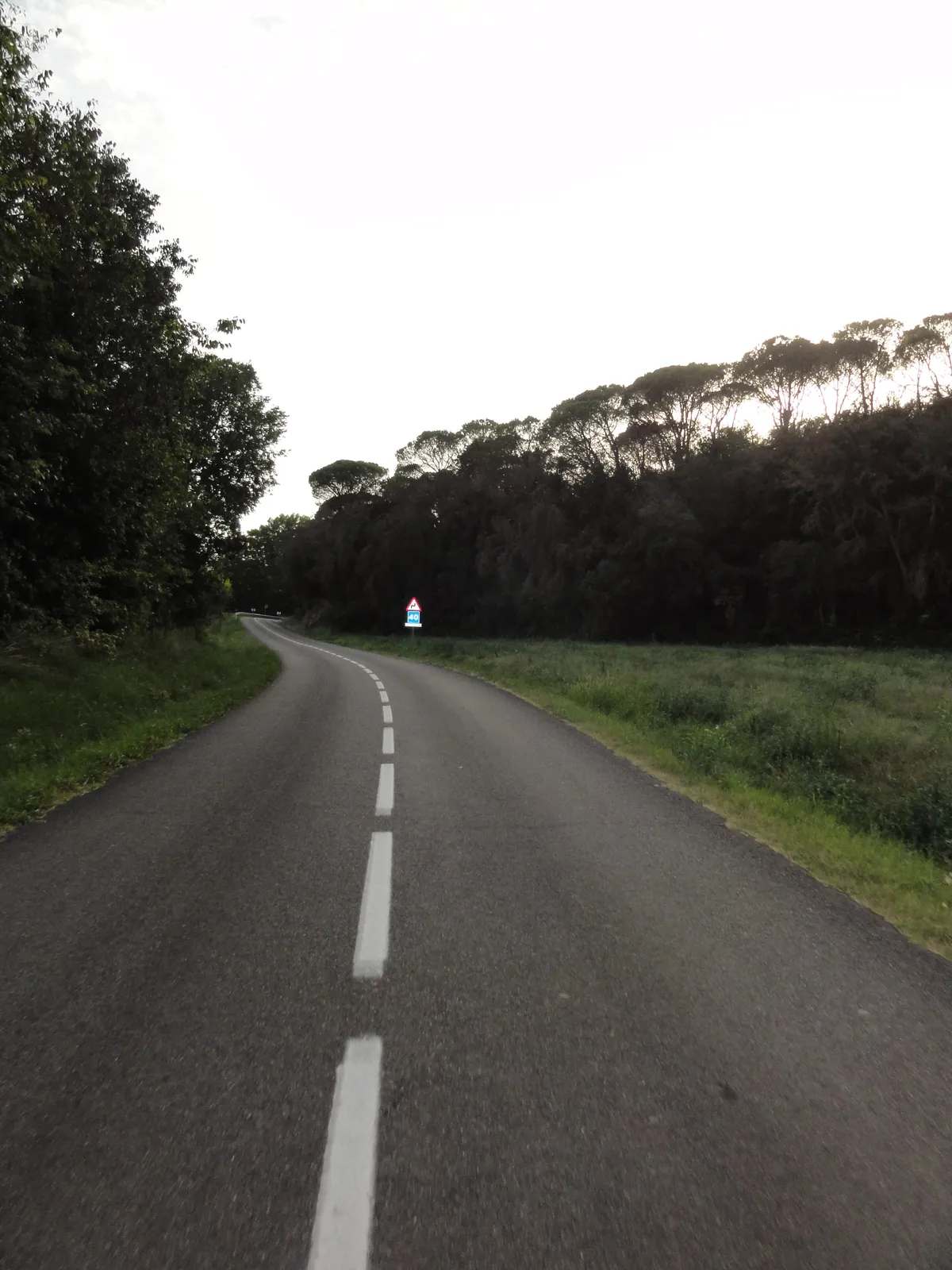
For the past two years I’ve taken an intentionally proactive stance on reducing my social media consumption.
And I feel a lot better for it.
Girona, and 20 hours of scrolling
It started in 2024. I quit my role as an Engineering Manager at Rapha and went to the cycling mecca of Girona to spend some time disconnected, ride my bike, and let my thoughts run away with themselves.
GPT-3.5 was out and running amok, and it felt like a solid time to learn about transformers and AI, and to think about what I wanted to do next.
After giving a lot to one role over five years, a mental detox was in order - and I was really looking forward to it.
I felt like I hadn’t truly switched off in years. I longed for a stretch where I could decide spontaneously what to do each day, hear the birds chirp around me, and let my curiosity wander.
Those moments when your senses come into focus and you just watch a sunset. What a position of privilege. Truly.
But in the first week I spent a cumulative 20 hours scrolling social media. I didn’t want to be on Instagram, and truth be told, sometimes I didn’t even know I was. I’d look up after eating and realise it was nearly dark. Time was flying. Panic.
That was the last thing I had envisioned doing with my privileged freedom.
In that moment it really dawned on me just how little self-control I had when it came to social media.
Willpower was never going to win
We get told that willpower is enough. That we can just put it down. That it’s a choice. All we have to do is block it, or have another app tell us we spent less time on it last week (yay). We set ourselves daily limits but never think about the accumulation.
There’s an element of vulnerability in admitting this. Honesty. It’s not a failure, nor a dirty word:
I do not have the willpower to manage my own social media consumption.
And that’s okay! These platforms have millions of dollars invested in them, often over decades. Teams of people. Petabytes of data. They are unapologetically businesses. How could you expect to out-willpower that?
At the Hay Festival in 2025, I listened to a leading voice in the field make the case that the answer is willpower - for people of all ages, but aimed squarely at kids. Learn to put the phone down.
I found that really difficult to sit through. I think it’s a misnomer, and not something we should be promoting. Being honest, a lot of people struggle with self-control - whether it’s drinking, eating, or scrolling - and there’s a lot of evidence that this is hard for most of us, not just a weak few. Pitching willpower as the solution sets people up to fail, and then to blame themselves when they do.
So start with software. Put the controls in place first, then go from there - and measure it. How many hours are you actually spending? Look at the number before you decide how you feel about it.
So I blocked everything
I blocked everything I could. I started with an app - Jomo, which I still use every day - and began to watch my time break down. The biggest finding was the muscle memory - the triggers.
New tab, type re, enter. Blocked. No more Reddit.
Then there’s the timeout when unblocking - silently asking you what your intention is for opening Instagram. Did you even remember the reason? I didn’t.
It’s not just kids
The UK government recently announced a social media ban for under-16s. These are children who live online, whose friends, aspirations and influences come from social media. To fit in, to feel seen, you have to use the app.
Not to conflate multiple issues - safety is the British Government’s biggest reason for the ban. But the most alarming thing to me isn’t the exposure. It’s the thousands of hours a year staring at a tiny screen. Anywhere. Anytime.
I believe that’s a societal harm for young people growing up. I played a lot of video games as a kid, and was definitely addicted on some level. So I see this ban as an opportunity to expect social media platforms to change, and for kids to be more intentional with their time. British pessimism writes off announcements like this, but it could be an incredible win for our society if we let it.
But it’s not just young people at risk.
I see rampant social media consumption at all ages - from my mother, who has thousands of followers, to my best friends, who swipe themselves to sleep.
It shouldn’t be this way. The good news is that the tooling all exists. The bad news is that it’s on you to do something about it. You have to expect friction, to be the odd one out, to miss that new meme.
Do you want to be there anyway? An algorithm guessing your interests and your buttons, and pressing them unapologetically?
It’s a bit like not drinking

There’s a plethora of tools that have sprung up to give you some solitude, which is great. They let you set out the model you want, across different devices. The one I use is Jomo.
But it’s difficult. Of course it is. I often compare it to not drinking.
You end up sounding like a Luddite, telling people not to message you on Instagram because you won’t reply. Use WhatsApp, Messages, Telegram instead - anything that isn’t a complementary feature of a social platform. The technology exists, just in a slightly different format that gives you everything you need.
What I’d suggest
- Measure first. Find out how many hours you’re actually spending each week. That number is your baseline.
- Block everything on your phone - even in the browser. Expect to wander. Expect to fail.
- Set up different blocks on different platforms. I still watch and enjoy a lot of YouTube, but I block Shorts as much as possible, and I allow YouTube on my laptop but not my phone.1
- Accept that you need controls, not just willpower. Then keep measuring, and see if the number moves.
Take yourself offline and online, and figure out what you want to do with your time. Be unapologetic about it.
Written by a human, on a train. Spelling mistakes abound.
-
Unless I need to fix something on my bike - then I just have to wait 30 seconds to watch it. ↩︎